Trying to Sell Unused Medicines? Fix the Mistake That Kills Most Deals
I train beginners in this niche, and the single most common mistake I see is not the price, not the messenger, and not the region. It is this: people photograph the wrong thing. They send a blurry shot of a blister strip, an opened box, or a crumpled receipt, then wonder why no one answers. If you are looking to продатьлекарствафонд, the very first thing to understand is that the buyer evaluates closed packaging, not leftover pills. Everything else in this checklist follows from that one rule.
Start With the Packaging, Not the Price
Before you think about money, think about what a buyer can actually verify. A closed box with an intact seal tells a whole story: the medicine was never opened, it was stored somewhere reasonable, and it still has a readable batch number and expiry date. A torn box tells the opposite story, even if the contents are untouched.
So the first pass is physical, not digital. Take every item out of the cabinet and sort it into three piles. Pile one is closed, sealed, and clearly legible. Pile two is closed but damaged, faded, or missing part of the label. Pile three is anything opened, loose, or expired. Only pile one moves forward. This takes ten minutes and saves you hours of back-and-forth later.
As a trainer, I make beginners do this sorting twice. The second time, they almost always move two or three items down a pile. That is normal. Be strict with yourself, because the buyer will be strict with you.
Photograph Like You Are Teaching Someone to Read the Box
Pre-assessment by photo is the core of how this service works, so your photos are your application. Shoot in daylight, on a plain surface, with no flash glare. For each item, take three frames: the front of the box, the side with the batch number and expiry date, and a slight angle that shows the seal is unbroken.
Keep the text sharp enough that a stranger can read it on a phone screen. If you have to squint, retake it. Do not stack twenty boxes into one photo and hope for the best; group them by name and strength instead. Do not include opened blisters, loose tablets, or anything that has been in a bathroom cabinet for years without a box.
Write a short list to accompany the photos: name, dosage, quantity, and expiry month. This is the same information a pharmacist would look for, and it speeds up the reply considerably.
What Buyers Actually Compare Before They Answer
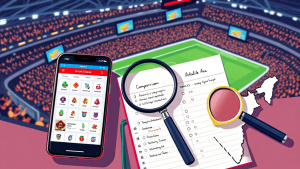
Beginners assume the decision is about price alone. In practice, buyers weigh several factors at once. The table below is written in prose so you can read it the way a buyer thinks, not the way a spreadsheet looks.
Condition versus quantity: ten sealed boxes beat forty damaged ones every time. Clarity versus volume: a small batch with readable dates is easier to assess than a large batch with faded print. Demand versus rarity: common, widely used medicines move faster than niche items, even when the niche item is more expensive. Distance versus speed: a seller who can ship promptly and answer questions in one message is more attractive than a slightly cheaper seller who takes three days to reply. Documentation versus story: a clear photo of the batch number outweighs any verbal explanation about where the box came from.
Notice that price appears nowhere as the leading factor. It matters, but it is negotiated after the other four are settled. If you lead with a price and nothing else, you are asking the buyer to do your homework.
The Contact and Handover Routine That Prevents Rejections
Once your photos and list are ready, reach out through one channel and stay there. The service accepts contact through WhatsApp, Telegram, or MAX, so pick the one you actually check and use it consistently. Send the photos, the list, and your city in the first message. Do not send a single word like “hello” and wait; that wastes a round trip.
When you get a preliminary assessment, read it carefully. If the buyer asks for a clearer photo of one item, send only that item, not the whole album again. If an item is declined, accept it and move on rather than arguing about a box that will not pass inspection.
For the handover, keep the packaging exactly as it was when you photographed it. Do not tape over the batch number, do not rewrite the expiry date, and do not repack items into different boxes. Consistency between the photo and the physical item is what keeps a deal from collapsing at the last stage.
If you are working with surplus from a pharmacy or clinic rather than a home cabinet, the same routine applies but at a larger scale. Sort by name, photograph in batches, and keep a written inventory that matches what you send. Institutional sellers who do this well get faster answers than private sellers with a single box, simply because their paperwork is clean.
My Recommendation After Training Beginners
If you remember nothing else, remember the order: sort, photograph, list, then talk. Most failed attempts skip straight to talking. They send a vague message, get a vague reply, and conclude that selling unused medicines does not work. It does work; the sequence was just reversed.
Start with one small batch. Ten items, properly sorted and clearly photographed, will teach you more than a hundred items shot in a hurry. Once that first batch goes through, you will know exactly which photos get accepted and which ones get questioned, and the second batch will take half the time.
Keep your expectations realistic as well. Not every box will be accepted, and that is a feature of the process, not a flaw. A service that accepted everything would have no reason to assess anything. The point of the preliminary check is to filter honestly, so that the items which do move forward are the ones that can be redistributed safely.
Questions Beginners Ask Most Often
Can I sell medicines if the box is opened but the blister is untouched?
No. The assessment is built around closed packaging, because that is what can be verified. An opened box, even with an intact blister inside, does not qualify.
How many photos should I send in the first message?
Three per item is a good standard: front, batch and expiry side, and a seal angle. Add your written list and your city, and you have a complete first contact.
What if the expiry date is close?
Mention it upfront rather than hiding it. A clear, honest date is easier to work with than a surprise discovered later, and it saves both sides time.
Do I need to ship first or wait for confirmation?
Wait for the preliminary assessment and the agreed handover steps. Do not send anything before the condition and details have been reviewed.